
People
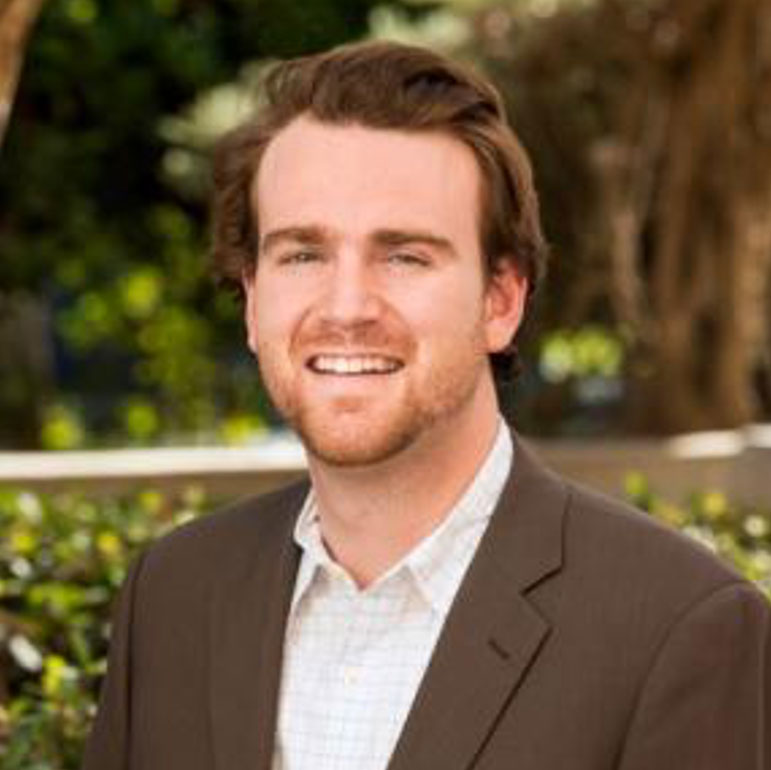
Nolan Williams
Associate Professor, Department of Psychiatry & Behavioral Sciences (Major Labs & Translational Neuroscience Incubator) and by courtesy, of Radiology (Neuroimaging and Neurointervention)
Director, Interventional Psychiatry Clinical Research
Director, Psychedelics and Consciousness Lab
Director, Brain Stimulation Lab
Dr. Williams is an Associate Professor in the Department of Psychiatry and Behavioral Sciences and the Director of the Stanford Brain Stimulation Lab. Dr. Williams has a broad background in neuropsychiatry and is double board-certified in both neurology and psychiatry. In addition, he has specific training and clinical expertise in the development of brain stimulation methodologies under Mark George, MD.
Themes of his work include (a) identifying objective biomarkers that predict neuromodulation responses in treatment-resistant neuropsychiatric conditions, (b) delineating the therapeutic mechanisms of psychedelic and psychedelic-like compounds, and (c) development and mechanistic understanding of rapid-acting antidepressants. He has published papers in high-impact peer-reviewed journals including Nature Medicine, Nature Mental Health, Brain, American Journal of Psychiatry, and the Proceedings of the National Academy of Science. He has also contributed to two reviews related to novel therapeutics for neuropsychiatric conditions that have been published in the Journal of Clinical Investigation and Current Opinion in Neurobiology, which are both highly cited.
Results from his studies have gained widespread attention in journals such as Science and New England Journal of Medicine Journal Watch as well as in the popular press and have been featured in various news sources including Time, Smithsonian, and Newsweek. Dr. Williams received two NARSAD Young Investigator Awards in 2016 and 2018 along with the 2019 Gerald R. Klerman Award. Dr. Williams received the National Institute of Mental Health Biobehavioral Research Award for Innovative New Scientists in 2020.
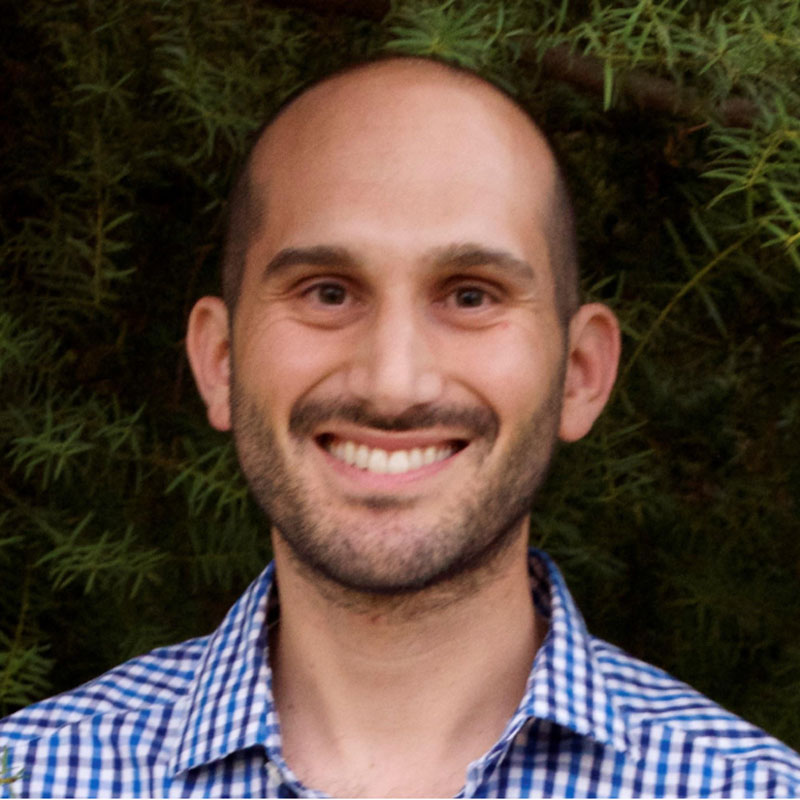
Ian Kratter
Clinical Assistant Professor,
Department of Psychiatry & Behavioral Sciences
Medical Director of Invasive Technologies,
Brain Stimulation Lab
Dr. Kratter is a Clinical Assistant Professor in the Department of Psychiatry & Behavioral Sciences and serves as Medical Director of Invasive Technologies in the Brain Stimulation Lab.
His research interests include the application of novel psychedelic and neuromodulation approaches to psychiatric and neuropsychiatric conditions with a focus on identifying the most promising treatment targets and understanding factors associated with treatment response, non-response, and adverse effects. His recent research focused on the use of ibogaine for disability and trauma in US Veterans.
His clinical interests include the use of psychedelic compounds for psychiatric treatment, non-invasive and invasive therapeutic options for psychiatric patients, evaluation and management of psychiatric symptoms associated with movement disorders (e.g., Parkinson’s and Tourette’s), and pre/post-DBS evaluation and management.
Dr. Kratter is board-certified in both adult psychiatry as well as the subspecialty of behavioral neurology and neuropsychiatry, and he collaborates closely with neurosurgeons, neurologists, electrophysiologists, and experts in neuroimaging in both his research and clinical care. He is active in the supervision and education of neuropsychiatry fellows, psychiatry residents, and lab members.
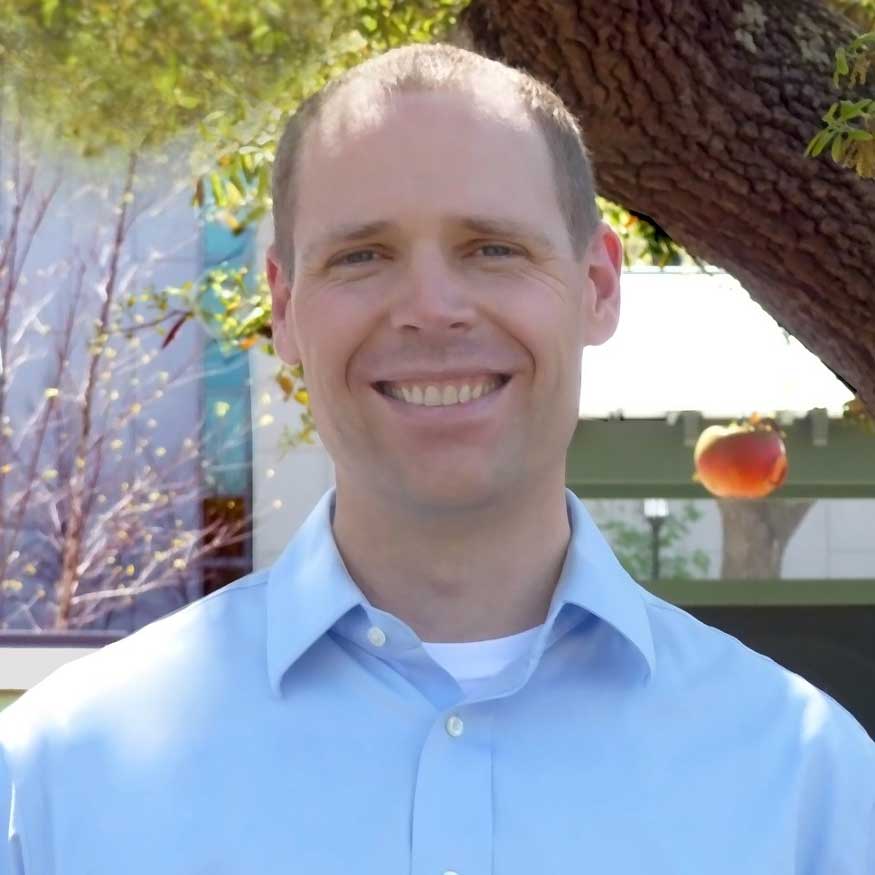
Greg Sahlem
Assistant Professor,
Department of Psychiatry & Behavioral Sciences
Director of the Addictions Research Section,
Brain Stimulation Lab
Dr. Sahlem is an Assistant Professor in the Department of Psychiatry and Behavioral Sciences. He is a board-certified psychiatrist with fellowship training in neuromodulation-based treatments including repetitive Transcranial Magnetic Stimulation (rTMS), electroconvulsive therapy (ECT), and vagus nerve stimulation (VNS). He additionally has advanced training in the treatment of addictive, mood, and sleep disorders. In addition to being an active clinician, Dr. Sahlem is a member of the Stanford Brain Stimulation Lab and directs the Addictions Research Section of the Lab.
Dr. Sahlem leads the Addictions Research Section of the Stanford Brain Stimulation Lab, a multidisciplinary and collaborative lab focused on the translational development of new treatments for Addictive disorders. Thus, Dr. Sahlem is interested in bringing findings that provide an increased understanding of the development and maintenance of substance use disorders into a clinical setting; performing human laboratory trials, translational treatment/efficacy trials from phase-1 to phase-3, and research aimed at more directly improving clinical care.
Under Dr. Sahlem’s leadership, the Addiction Section has garnered expertise in the use of neuromodulation techniques, while remaining agnostic about treatment modality and focused on any intervention that has the potential to improve how we treat addictive disorders. In recent years, the Addiction Section has developed a particular interest in testing the use of psychedelic compounds for clinically-meaningful anti-addictive properties.
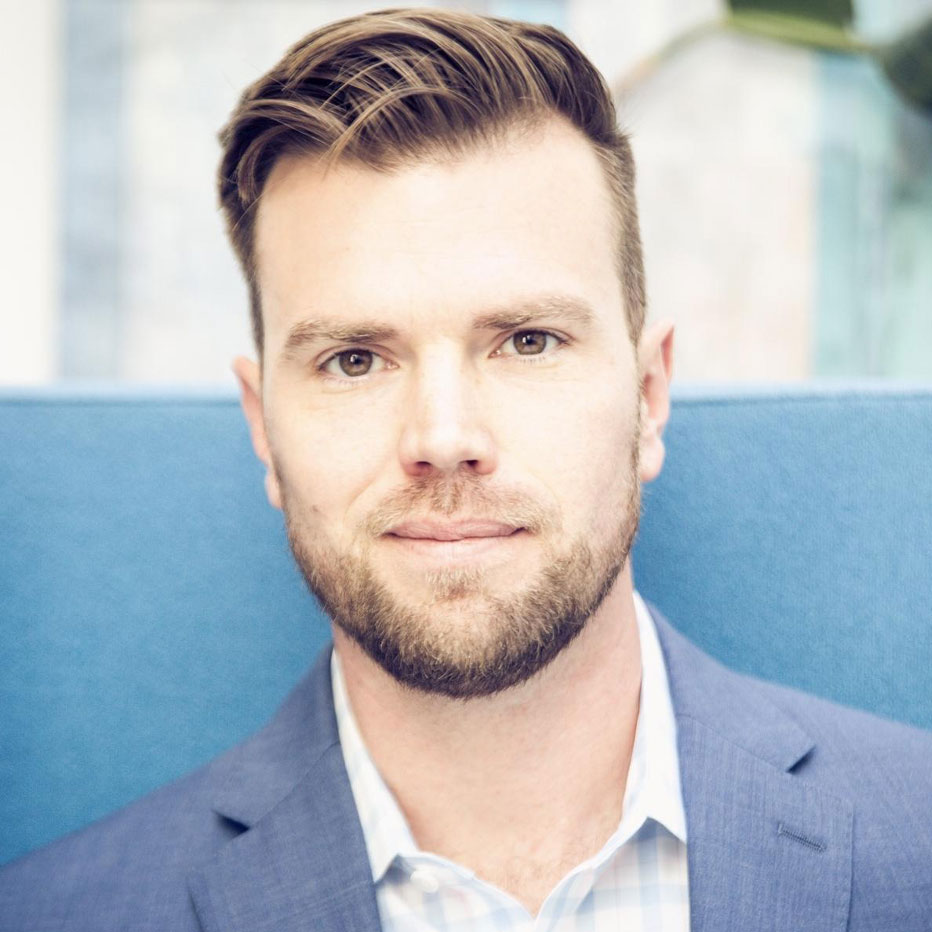
Flint M. Espil
Clinical Associate Professor,
Department of Psychiatry & Behavioral Sciences
Director of Psychology,
Brain Stimulation Lab
Dr. Espil is a Clinical Associate Professor and Director of Psychology at the Brain Stimulation Lab (BSL) within the Department of Psychiatry and Behavioral Sciences with a decade-long interest in Obsessive-Compulsive and related disorders (OCRDs, including Tourette Disorder). He is a licensed clinical psychologist in the state of California, with extensive training in evidence-based approaches to psychotherapy including Cognitive Behavioral Therapy (CBT), Exposure and Response Prevention (ERP), the Comprehensive Behavioral Intervention for Tics (CBIT), Managing and Adapting Practices (MAP) modular therapy, and Behavior Therapy for body-focused repetitive behaviors. He is currently working to establish a Tic Disorders Specialty clinic within the Psychiatry Department at Stanford to provide better care for patients and families in the Bay Area who struggle with tics. Dr. Espil also trains and supervises PhD and PsyD practicum students working in the BSL to obtain the prerequisite hours for their graduate degrees.
Dr. Espil’s research currently centers on mediators of treatment and ways to improve outcomes among individuals with OCRDs. This includes leveraging novel compounds (e.g., psychedelics) and neuromodulation techniques (e.g., Transcranial Magnetic Stimulation, Accelerated Theta Burst Stimulation) with traditional behavioral techniques (e.g., ERP, CBT).
Dr. Espil was the recipient of the 2017 Clinical Research Training Fellowship from the American Academy of Neurology and the Tourette Association of America. He was also awarded a 2017 National Institute of Mental Health Child Intervention and Prevention Services Research Fellowship and a 2019 Early Career Award from the Trichotillomania Learning Center Foundation for Body-Focused Repetitive Behaviors.
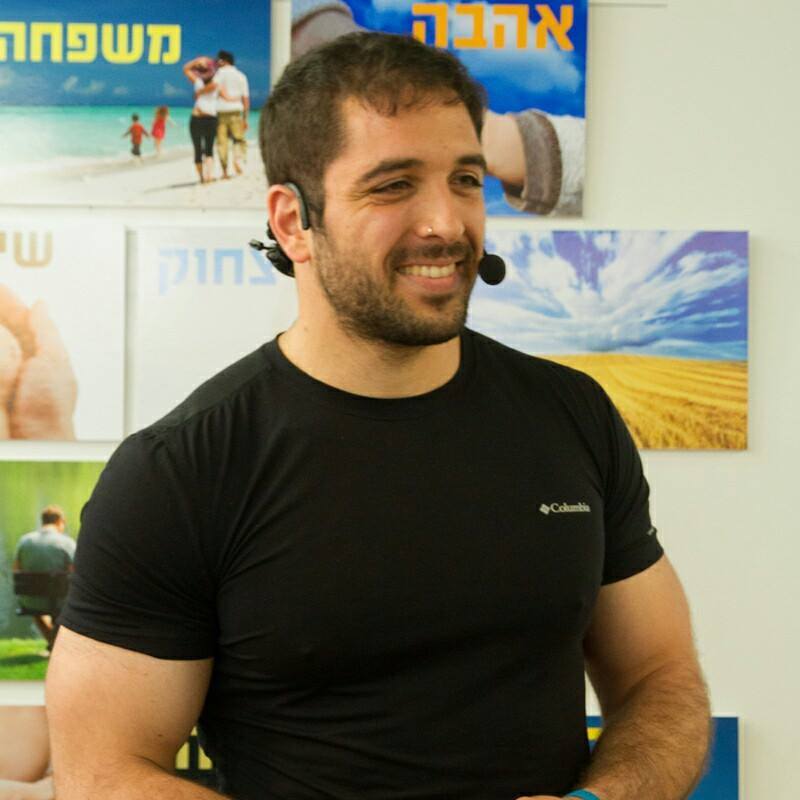
Afik Faerman
NIMH T32 Postdoctoral Fellow,
Department of Psychiatry & Behavioral Sciences
Stanford Psychedelics and Consciousness Lab
Dr. Faerman is an NIMH T32 fellow and a clinical neuropsychology postdoctoral scholar at the Department of Psychiatry and Behavioral Sciences. He completed his clinical rotations at the University of California, San Francisco (UCSF) and Baylor College of Medicine and earned his Ph.D. in clinical psychology with emphasis in neuropsychology from Palo Alto University.
Dr. Faerman’s research centers on the modulation of consciousness and its clinical relevance, focusing on psychedelics, hypnosis, brain stimulation, sleep, pain, and performance.
His work has been acknowledged and supported by the American Psychological Association (APA) Society for Clinical Neuropsychology (Division 40), the Society for Psychological Hypnosis (Division 30), the Society for Military Psychology (Division 19), the Society for Clinical and Experimental Hypnosis (SCEH), the American Society for Clinical Hypnosis (ASCH), the Sleep Research Society (SRS), and more.
Dr. Faerman is the current president-elect of the APA Division 30 (Psychological Hypnosis) and is the past chair of the Student Committee at the Association for the Scientific Study of Consciousness (ASSC).
Collaborators
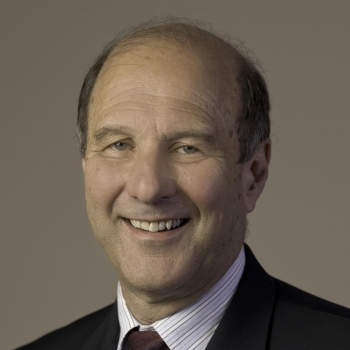
David Spiegel, MD
Willson Professor and Associate Chair,
Department of Psychiatry & Behavioral Sciences
Director of the Center on Stress and Health
Medical Director of the Center for Integrative Medicine
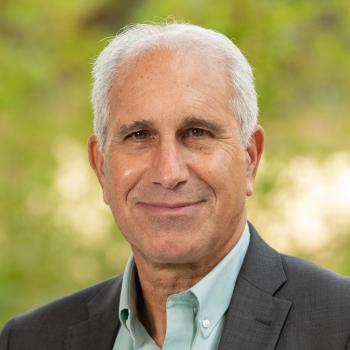
Robert Malenka, PhD
Pritzker Professor,
Department of Psychiatry & Behavioral Sciences
Director of the Nancy Pritzker Laboratory
Deputy Director of the Wu Tsai Neurosciences Institute
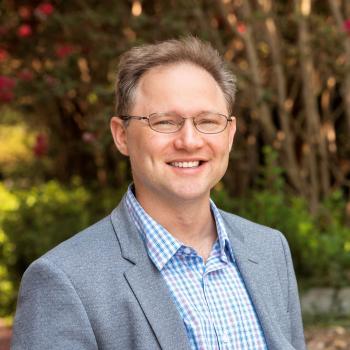
Boris Heifets, MD, PhD
Assistant Professor,
Anesthesiology, Perioperative, and Pain Medicine
Psychiatry and Behavioral Sciences (by courtesy)
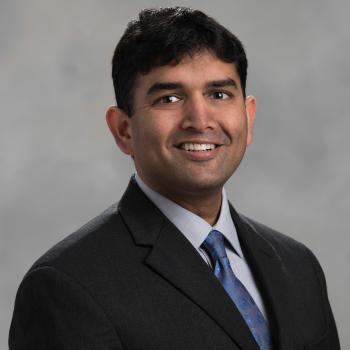
Raag Airan, MD, PhD
Assistant Professor,
Radiology (Neuroimaging And Neurointervention)
Psychiatry and Behavioral Sciences (by courtesy)
Materials Science And Engineering (by courtesy)
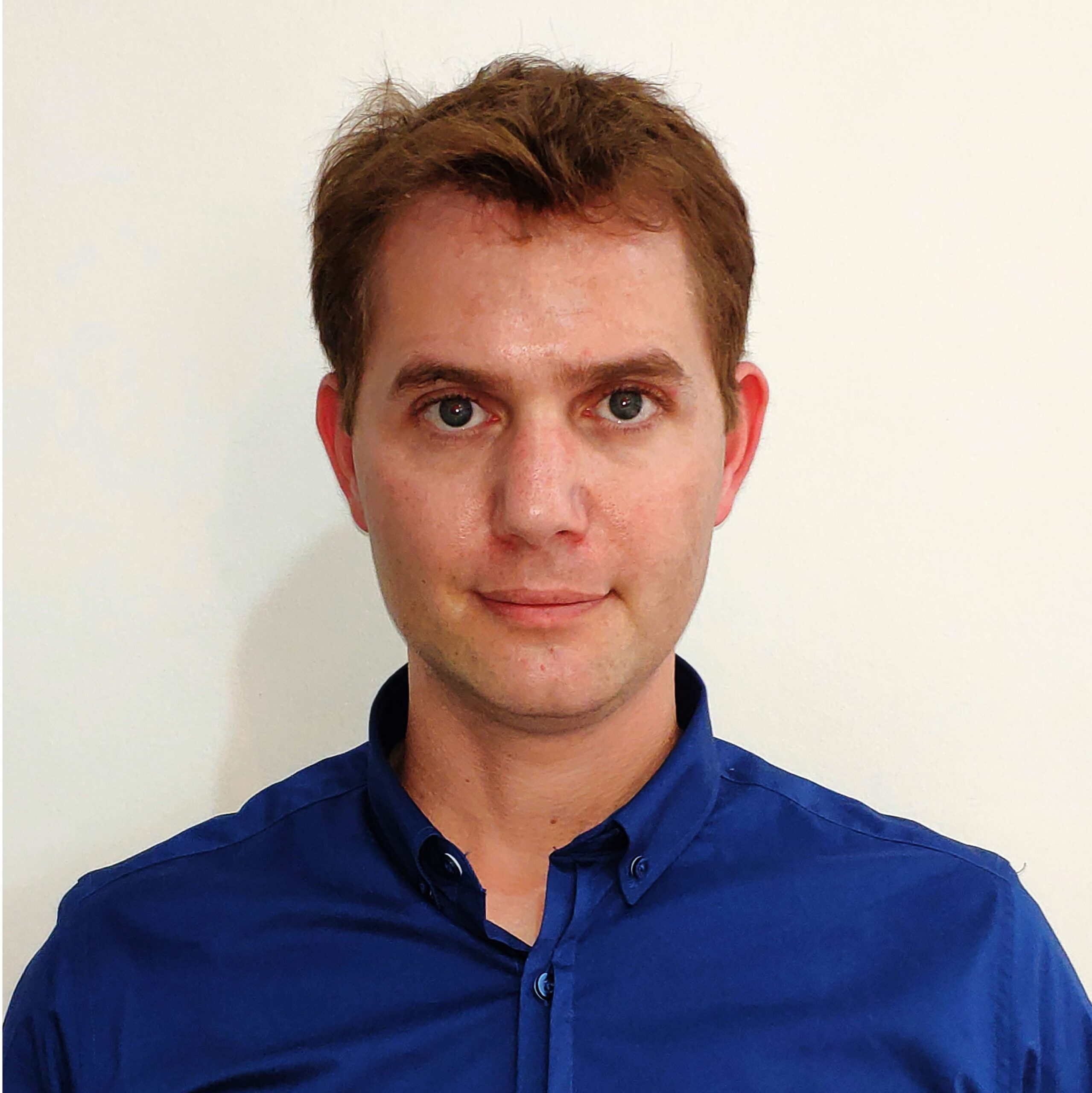
Jackob Nimrod Keynan, PhD
Scientific Director,
Institute for Psychedelic Research, Tel-Aviv University
Sagol Brain Institute, Tel-Aviv Sourasky Medical Center




